
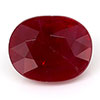
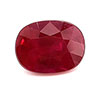

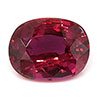
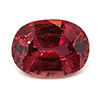
Understanding Ruby Laboratory Reports
A gemstone laboratory report can document identity, natural or laboratory-grown origin, detected treatments and, where the laboratory provides it, an opinion on geographic origin. Check the individual report's scope instead of assuming that every report answers all of these questions.
Reports, Quality and Value
Colored gemstones do not share the universally used diamond color and clarity grading scales. Compare color, transparency, inclusions, cut, measurements and weight alongside the report. A report does not set a selling price, guarantee investment performance or establish an insurance value.
When Should I Request a Report?
Consider the purchase value and the importance of treatment or origin claims to your decision. There is no universal millimeter threshold below which a report cannot be useful. Laboratory services, scope, costs and turnaround vary; ask what is available for the particular stone before ordering.
Treatment and Natural Origin
Natural formation and treatment are separate questions. Inclusions alone do not prove that a stone is natural or untreated. Qualified examination can help distinguish natural stones, synthetic material and treatments that are not evident in photographs.
Reports and Insurance Appraisals
An appraisal and a laboratory report serve different purposes. Ask your insurer what documentation it requires, and check the laboratory name, report number and findings supplied for your stone.
Read the gemstone education guides or contact us for product-specific information.